
Running a business means being visible where customers search, compare, and make decisions. A strong online presence can attract attention, build trust, generate enquiries, and increase sales. But many business owners still ask: what does a digital marketing company do?
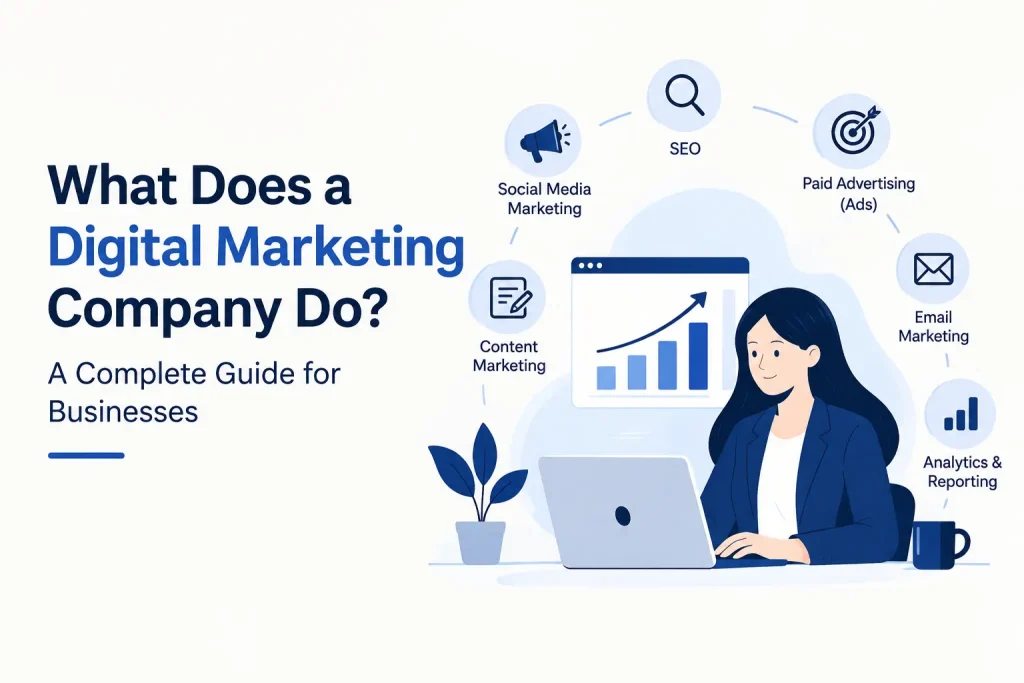
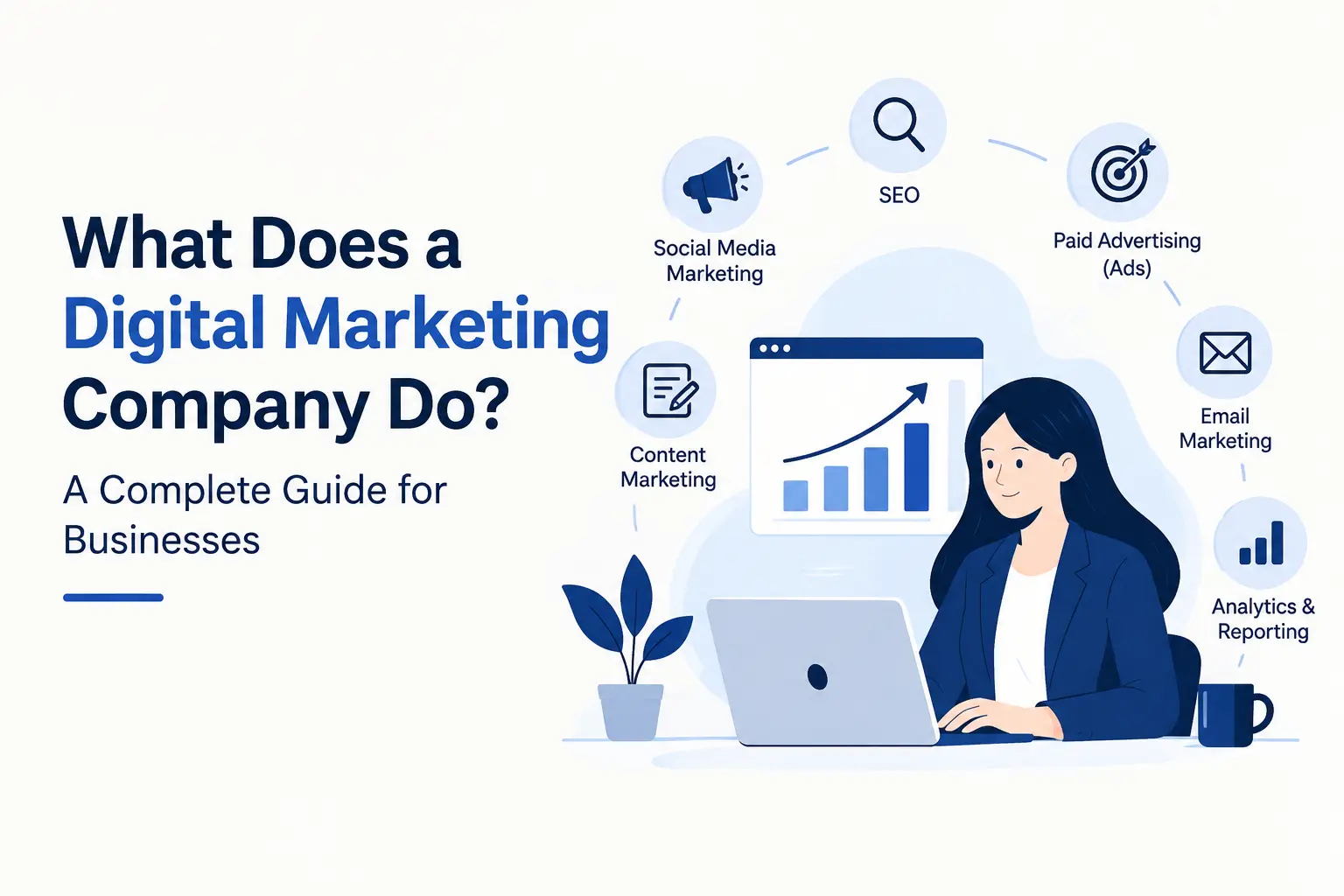
A digital marketing company helps businesses plan, create, manage, and improve their online marketing activities. Its work can include search engine optimization, social media, content, paid advertising, websites, email campaigns, analytics, and lead generation. Services depend on business needs, audience, goals, and budget.
This guide explains the main responsibilities of a digital marketing company and when a business may need these services.
Understanding the Role of a Digital Marketing Company
A digital marketing company is more than a team that posts on social media or runs advertisements. Its broader role is to connect a business with the right audience through appropriate digital channels.
A digital marketing company normally begins with research. Marketers learn about the business, customers, competitors, products, existing online presence, and goals. They then create a strategy that decides which channels deserve attention and how success will be measured.
For example, a local restaurant may need local search visibility, social media content, and customer reviews. An online store may focus more heavily on product pages, paid advertising, email marketing, and conversion optimization. A B2B company may need search content, LinkedIn marketing, lead generation, and nurturing campaigns.
Research and Marketing Strategy
Research gives marketing activities a direction. Without it, a business may spend money creating content or advertisements without knowing whether the right people are seeing them.
A digital marketing company may research search queries, competitors, customer behavior, market trends, audience interests, and existing website performance. These findings can help determine priorities.
A strategy may include goals such as increasing qualified website visitors, generating enquiries, improving online visibility, increasing purchases, or building brand awareness. Good planning defines measurable indicators so results can be reviewed.
Search Engine Optimization
Search engine optimization helps a website become easier for search engines to understand and easier for users to find through unpaid search results.
Work can include keyword research, page structure, title tags, meta descriptions, internal linking, technical improvements, content optimization, image optimization, local search optimization, and performance improvements.
SEO is not simply adding keywords to a page. Search engines consider many signals, and useful content and a good user experience remain important. Results also take time, so businesses should treat SEO as a long-term activity rather than an instant traffic solution.
Social Media Marketing
Social media marketing helps businesses communicate with audiences on platforms such as Instagram, Facebook, LinkedIn, YouTube, and other relevant networks.
A marketing team may develop content calendars, write captions, create creative concepts, manage publishing, monitor engagement, respond to audiences, and review performance.
Posting every day is not always necessary. The right frequency depends on the platform, audience, resources, and objectives. Effective content should give people a reason to watch, read, interact, visit, or remember the brand.
Content Creation and Brand Communication
Content gives a business something valuable to share with its audience. It can include blog articles, videos, graphics, guides, case studies, emails, social posts, landing pages, and website copy.
A digital marketing company may help maintain a consistent voice across these formats. However, good content should not exist only to fill a content calendar. It should answer questions, solve problems, explain products, demonstrate expertise, or support a specific business goal.
Original examples and genuine insights can help a brand stand apart.
Paid Advertising and Campaign Management
Paid advertising allows businesses to reach selected audiences through platforms such as Google Ads and social advertising networks.
Campaign work can include audience research, keyword selection, ad copy, creative development, landing-page recommendations, budget management, testing, and performance analysis.
Advertising can produce traffic faster than many organic methods, but spending money does not automatically guarantee profitable results. Campaigns need clear objectives, appropriate targeting, relevant landing pages, and regular optimization.
Lead Generation and Conversion
Getting visitors is only one part of digital marketing. Businesses also need ways to turn relevant visitors into enquiries, subscribers, bookings, or customers.
Lead generation may involve landing pages, contact forms, downloadable resources, enquiry campaigns, social campaigns, email sequences, or paid advertisements.
Conversion optimization focuses on reducing unnecessary friction. Clear calls to action, useful information, simple forms, trust signals, and mobile-friendly pages can make it easier for visitors to take the next step.
Analytics, Reporting, and Continuous Improvement
Marketing decisions should be based on evidence whenever possible. Analytics can show where visitors come from, which pages they use, what actions they take, and where potential customers leave.
A digital marketing company may use tools such as Google Analytics, Google Search Console, advertising dashboards, heatmaps, or reporting platforms. The exact tools depend on the project.
Reporting should explain more than numbers. A useful report connects results with actions and identifies what should be tested, improved, continued, or stopped.
Why Businesses Use Digital Marketing Services
Businesses often use professional marketing support because digital channels require different skills and ongoing attention. One person may understand content while another specializes in SEO, advertising, design, analytics, or social media.
A digital marketing company can bring several skills together and create a coordinated plan. This can be especially useful for businesses that do not have an internal marketing team.
However, hiring external support is not automatically the right choice for every business. Companies should consider their goals, budget, internal resources, expected workload, and the type of expertise they need.
How to Choose the Right Marketing Partner
Before choosing a provider, define what you actually want to achieve. Is the goal more qualified traffic, leads, sales, local visibility, stronger social presence, or better customer retention?
Then review the provider’s services, process, communication style, experience, reporting approach, and examples of previous work. Ask how success will be measured and what will be included.
Avoid choosing only because of impressive promises. Marketing results depend on the industry, competition, budget, website, offer, audience, and execution.
Questions to Ask Before Starting
Ask questions such as:
What will you work on first?
Which channels do you recommend, and why?
How will progress be measured?
How often will reporting happen?
Who will create and approve content?
What access will you need?
What costs are included?
Clear answers can help both sides establish realistic expectations.
Conclusion
So, what does a digital marketing company do? In simple terms, it helps a business use digital channels more strategically to reach relevant people and support measurable business goals.
The work can involve research, SEO, social media, content, paid advertising, lead generation, conversion improvement, analytics, and ongoing optimization. Not every business needs every service. The right combination depends on audience, market, objectives, resources, and growth stage.
If you are researching marketing services, continue exploring this digital marketing blog to understand individual channels and strategies in more detail. The better you understand how each activity works, the easier it becomes to choose priorities and evaluate marketing decisions.
For a newly growing brand, the strongest approach is usually to start with clear goals, understand the audience, build a useful online presence, measure results, and improve consistently. Digital marketing works best as an ongoing process rather than a one-time campaign. follow linkedln page of altranyx.